Helping veterans and first responders fight the War Within
They learned to
carry the weight.
I Help Them
Put it Down
Keynotes and practical training that help veterans and first responders recognize hidden stress, seek support earlier, and build healthier lives.
Lived experience. Counseling knowledge. Faith-grounded tools.
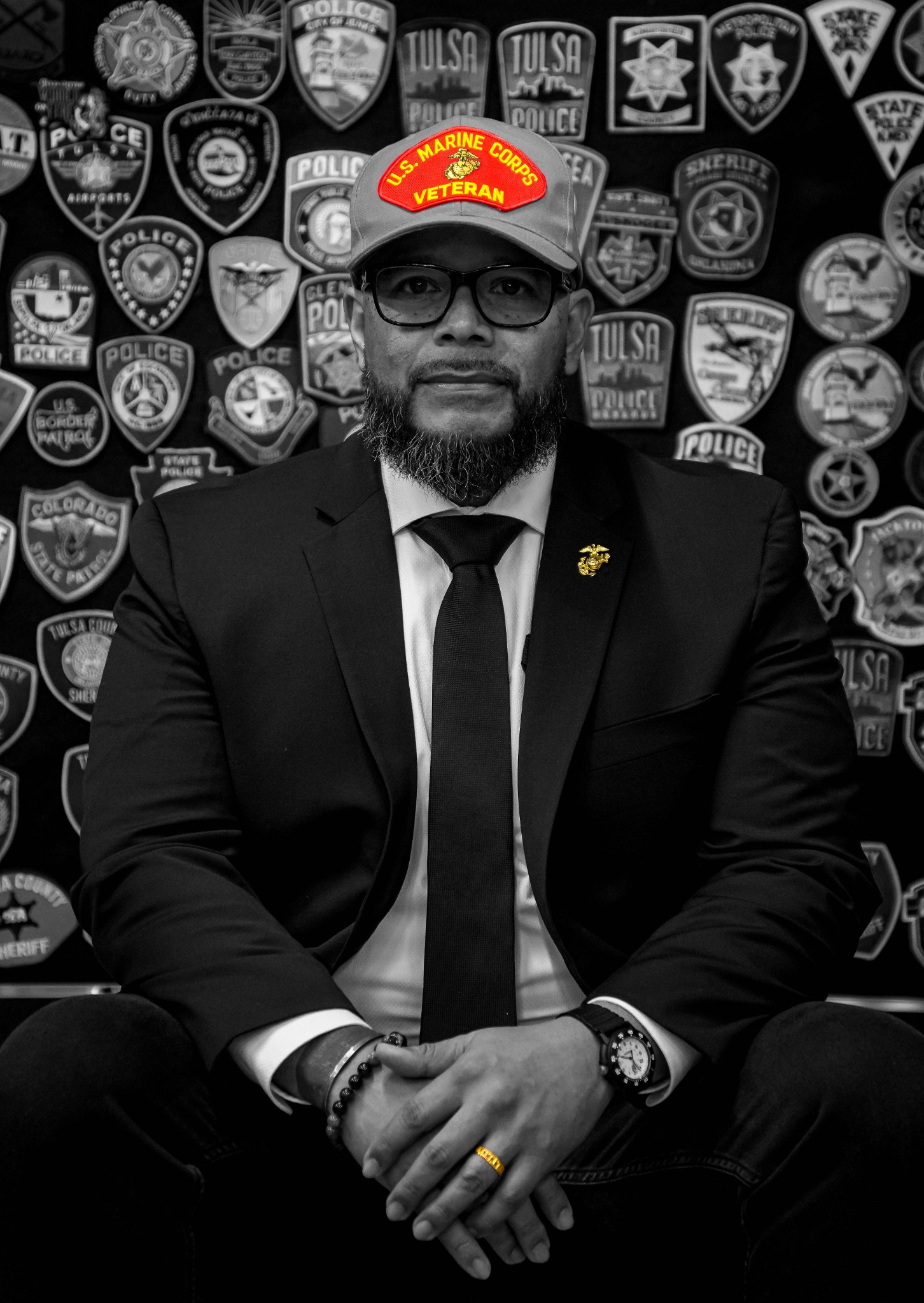
A SPEAKER WHO UNDERSTANDS THE CULTURE
Reach the people
who rarely ask for help.
Strong teams can carry invisible strain. Clay gives leaders a way to open the conversation before exhaustion, isolation, and accumulated stress become a crisis.
He brings the perspective of a combat veteran, the experience of a former police officer, and counseling knowledge to conversations that often stay behind closed doors.
Get to know ClayTHREE WAYS TO BRING CLAY TO YOUR PEOPLE
The right message.
The right room.
Break the silence.
For conferences, veteran organizations, churches, and men’s events. An honest story with a practical next step.
The War Within · 45–60 minutes02 / DEPARTMENT TRAININGBuild a plan
before a crisis.
For police, fire, and EMS leaders. Give your team usable tools for stress awareness, support, and life at home.
Workshops · Half-day options03 / CAMPUS PROGRAMSMake the next
mission matter.
For veteran resource centers and student affairs teams. Help student veterans find connection and direction.
2–3 hour workshops · CohortsSIGNATURE KEYNOTE
The War
Within.
The uniform comes off. The weight can stay.
Clay’s story opens a conversation about PTSD, identity, and the courage to receive support. Your audience leaves with language for what they carry and a starting point for moving forward.
Bring The War Within to your event“You spent years learning to carry the weight. Nobody taught you how to put it down.”CLAY ROJAS
HEAR THE VOICE BEHIND THE MESSAGE
A real conversation.
A way forward.
It’s an Inside Job
Listen to Clay’s guest appearance: The War Within: Turning Off Combat Mode After Military Service with Clay Rojas.
Audio interview · 58 minutes
Listen on Apple PodcastsA PRACTICAL APPROACH TO THE WEIGHT OF SERVICE
Shared language.
Useful tools. Human connection.
Recognize how accumulated stress can show up in decisions, relationships, and daily routines.
Practice ways to start honest conversations and identify trusted people and resources.
Translate the conversation into a personal support plan your people can begin using.
KEEP THE CONVERSATION GOING
Rally Point
A Veteran’s Field Guide to Mental Health and Soul Restoration
Bring the message beyond the event. Clay’s book offers veterans a place to reflect on the weight of service, faith, connection, and the next chapter of life.
Buy Rally Point on AmazonA conversation about PTSD
Watch the PTSD video on YouTubeFOR AGENCIES & ORGANIZATIONS
Put a copy in
your people’s hands.
Planning a department training, veteran event, or group discussion? Ask about bulk purchases for your agency or organization, on their own or alongside a speaking program.
Share your estimated quantity and timing so Clay can discuss ordering options with you.
Inquire about bulk purchasesSTART THE CONVERSATION WITH YOUR TEAM
Five warning signs
the weight is showing.
A concise leader’s checklist to notice changes, ask better questions, and make support easier to reach.
Get the free checklistLook beyond
“I’m fine.”
Notice the change.
Open the conversation.
Know the next step.
YOUR PEOPLE HAVE CARRIED ENOUGH ALONE.
Give them a place to start.
Tell us about your audience. Let’s shape a program that meets them where they are.
Book a free consultation